

Food Security & Livelihood Development
Empowering communities through food and income resilience
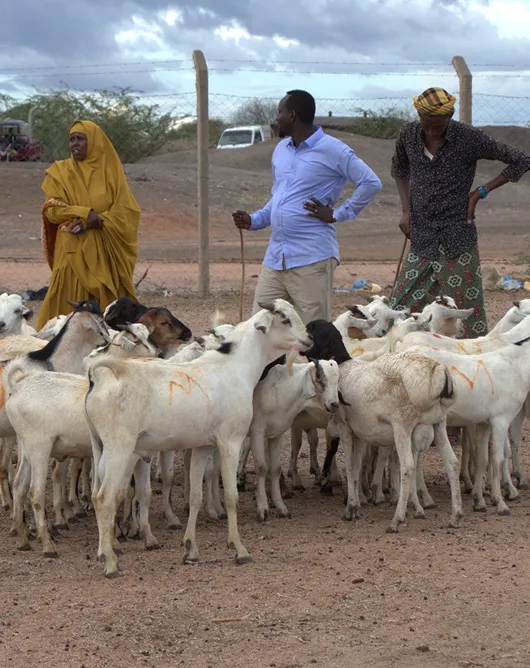
Operating across the arid and semi-arid lands (ASAL) of Kenya, Somalia, and Ethiopia, APID enhances food security and livelihood resilience in communities most affected by drought, climate shocks, and poverty. We support smallholder farmers, pastoralists, and vulnerable households through climate-smart agriculture, alternative income generation, and inclusive market systems. Our goal is to help communities build self-sufficiency and break the cycle of food insecurity.
People Reached
Regional Context & Challenges
Across East Africa, millions face chronic food insecurity fueled by the below. Without urgent interventions, vulnerable households are left with limited choices — migration, humanitarian dependency, or survival on precarious incomes.
1
Recurrent droughts and environmental degradation
2
Conflict, displacement, and restricted access to markets
3
Poor agricultural practices and limited infrastructure
4
Youth unemployment and gender inequality in economic participation
Call to action
Food security isn’t just about having enough to eat — it’s about stability, dignity, and hope for the next generation
How We Work
1
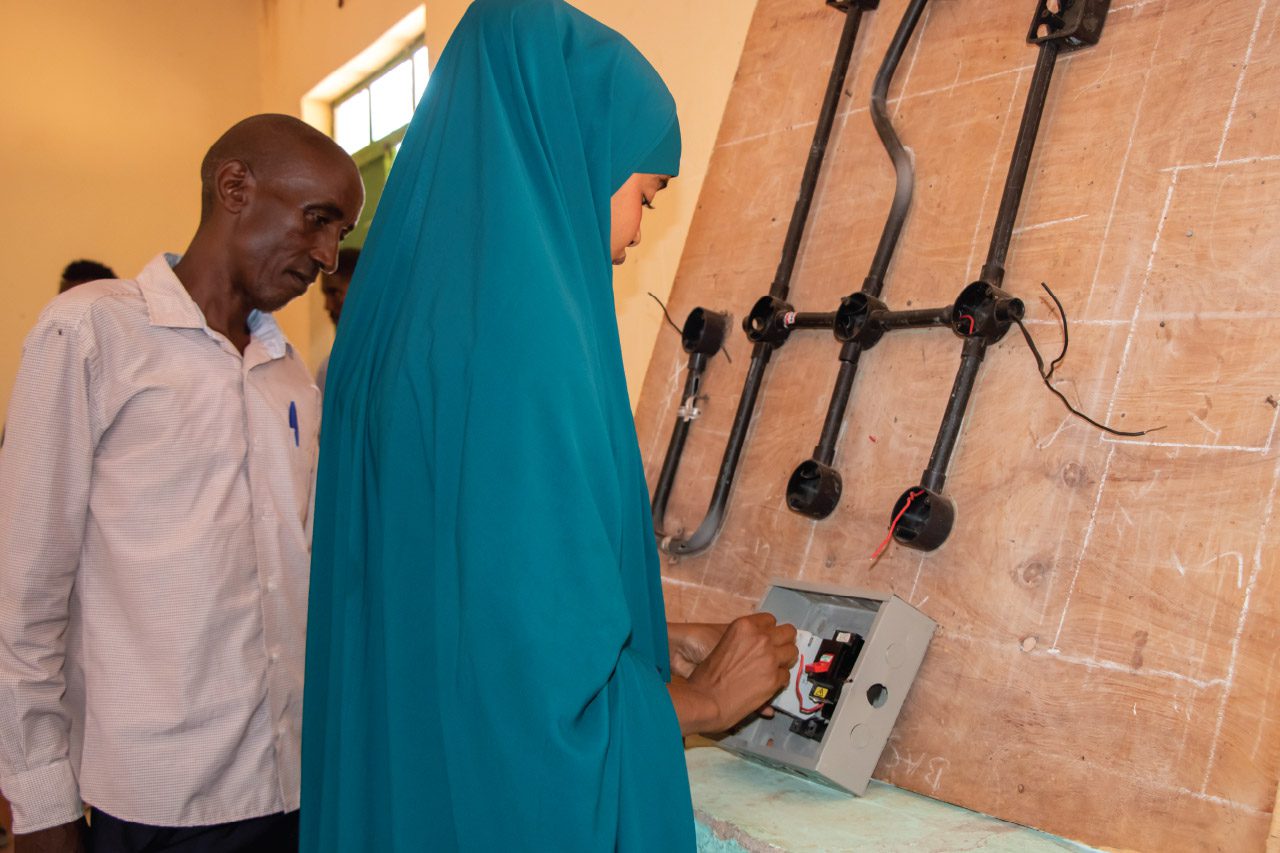
Supporting Sustainable Livelihoods
We help communities strengthen and diversify their sources of income through sustainable farming, livestock management, and non-agricultural enterprises. Our programs build skills in entrepreneurship, promote climate-smart agricultural techniques, and connect individuals to training and financial services that enhance economic independence.
2
Partnerships, value Chains and Market Access
APID invests in building cooperative networks, improving market infrastructure, and supporting value addition at the community level. By connecting producers directly to larger markets, we help increase profitability, create jobs, and empower smallholder farmers, women, and youth to compete fairly and sustainably.

3
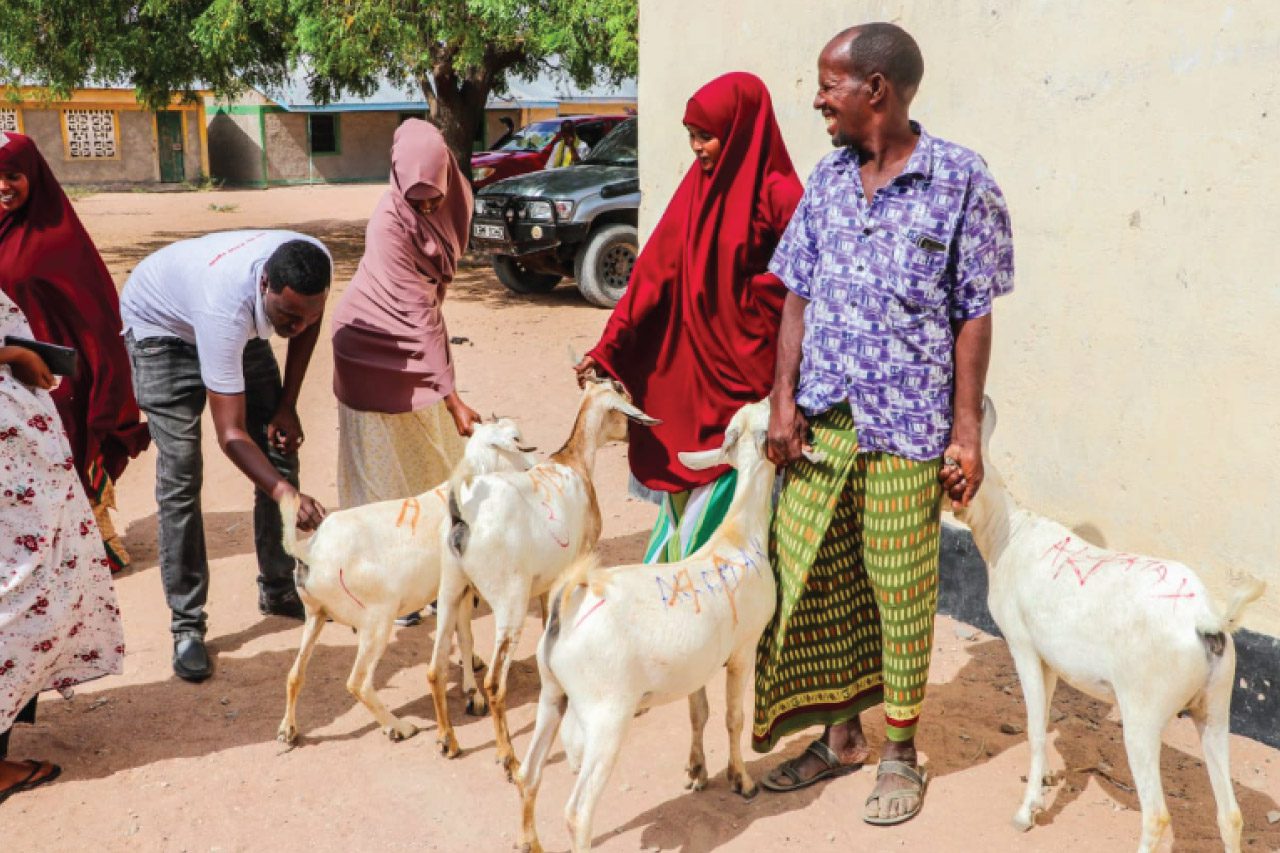
Providing Food Security and Safety Nets
We address urgent food needs while building long-term resilience. Through nutrition education, food preservation initiatives, and targeted cash transfer programs, we support vulnerable households in times of crisis — ensuring food access today while strengthening families’ ability to recover and grow tomorrow.