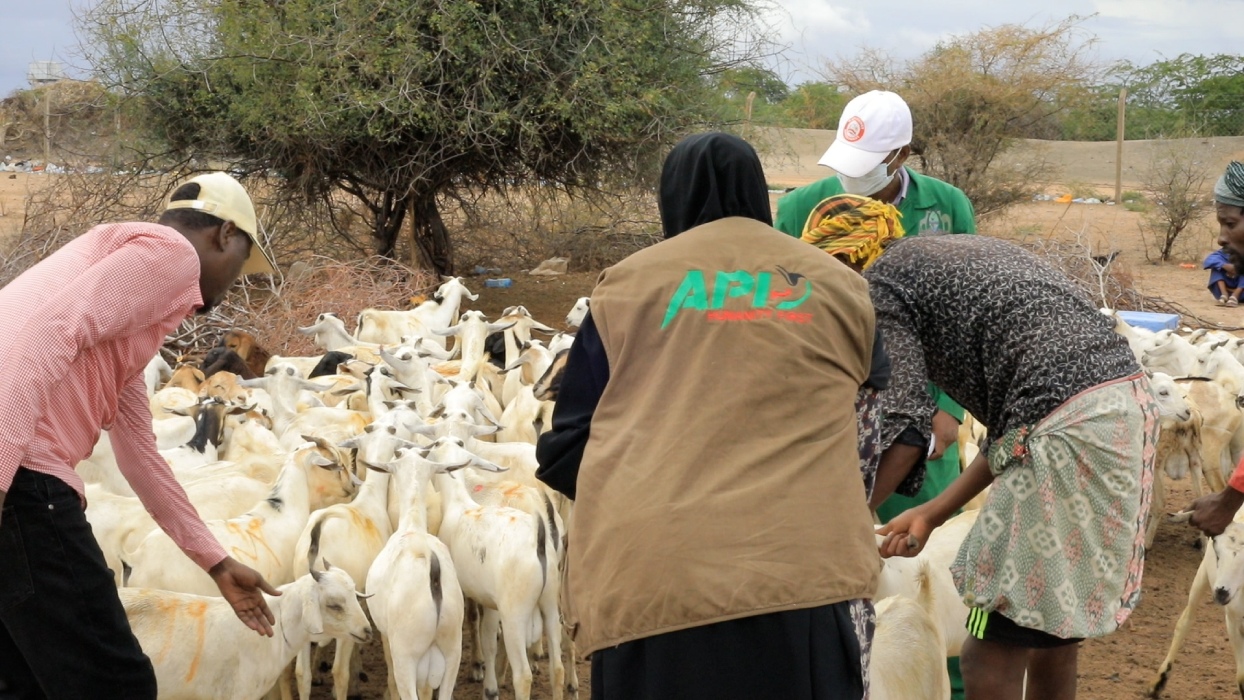
Climate-Smart Livelihoods and Economic Opportunity
Our Approach
Driving inclusive economic resilience through climate-smart livelihoods, market systems and enterprise development. APID enables women, youth and vulnerable households to diversify incomes, access finance, strengthen productive assets and connect to sustainable economic opportunities that withstand climate and market shocks.
Impact Highlights
- 10,000+ youth empowered through livelihoods programmes
- 1,600+ women and youth trained in enterprise and vocational skills
- 60+ youth and women groups supported with grants and market linkages
- 135 scholarships awarded to vulnerable learners
Strategic Objective
To enable women, youth, and vulnerable households to access diversified, climate-resilient, and market-linked livelihood opportunities that improve income, protect assets, and reduce vulnerability to shocks.
Why this pillar matters
Across APID’s operating areas, traditional livelihood systems are under pressure from climate variability, market disruption, population growth, unemployment, and resource scarcity. Women and youth face additional barriers, including limited assets, restricted mobility, limited access to finance, skills gaps, and exclusion from formal employment and market systems.
Without viable livelihood pathways, households are more likely to adopt negative coping strategies, migrate under distress, engage in risky income sources, or become vulnerable to recruitment and exploitation. APID therefore supports livelihood systems that are not only productive, but also adaptive, inclusive, and conflict-sensitive.
APID works toward strengthening climate-smart agriculture, youth skills development, women-led enterprises, community finance systems, market access, and private sector partnerships to ensure vulnerable households can build resilience, improve incomes, and achieve long-term economic stability.
Priority Intervention Areas
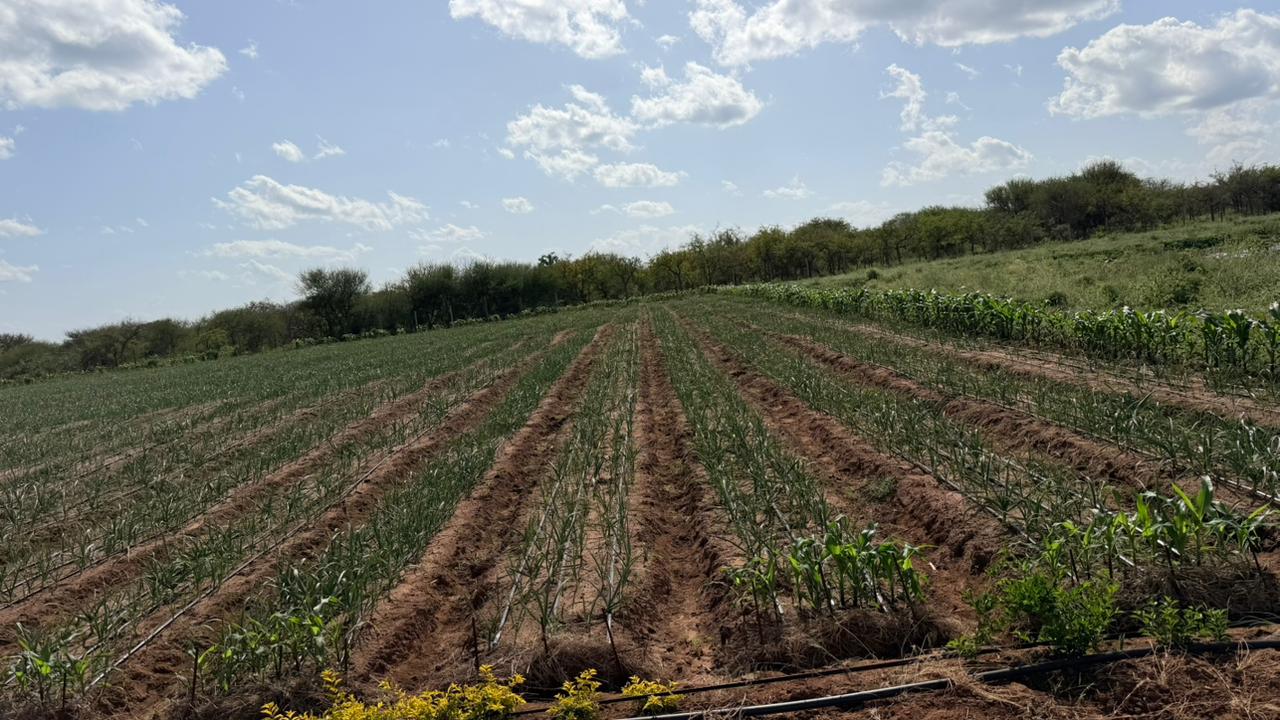
- Climate-smart agriculture and livestock-based livelihoods
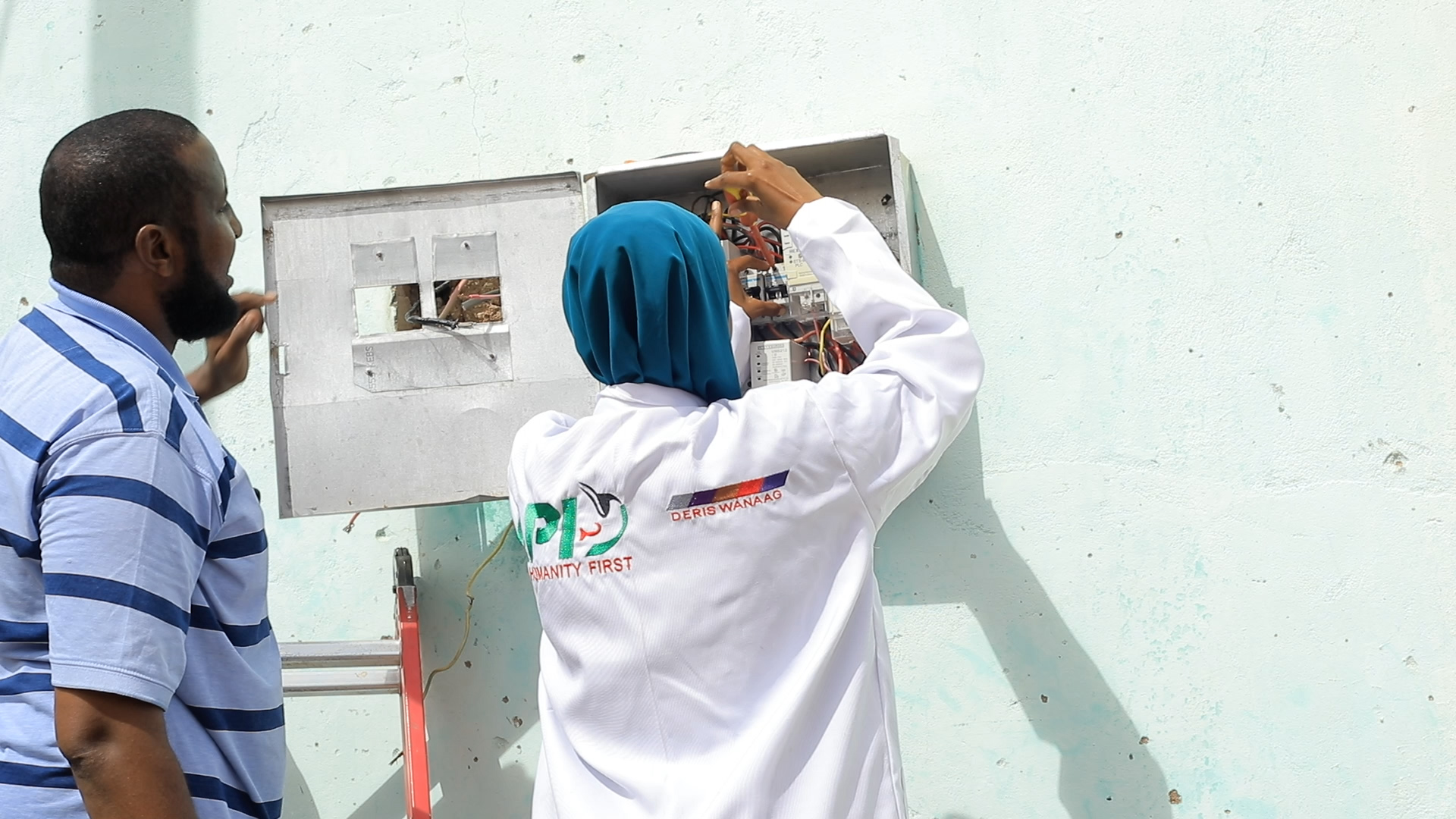
- Youth skills development, TVET, entrepreneurship, and digital livelihoods
- Women-led enterprise development and access to finance
- Village savings and loan associations and community-based finance
- Market systems strengthening, producer aggregation, and value chain linkages
- Financial literacy, business coaching, and digital tools
- Livelihood diversification for pastoral, agro-pastoral, displaced, and informal settlement households
- Private sector partnerships for employment, services, and market access
Expected Results by 2030
- Women and youth increase income from diversified livelihood sources.
- Target households adopt climate-smart livelihood practices.
- Youth access market-relevant skills, digital tools, and employment pathways.
- Local market actors strengthen linkages with vulnerable producers and entrepreneurs.
- Women-led groups improve savings, investment, and asset protection.
Want to donate?
Your contribution helps us reach vulnerable communities with critical support, resilience programs, and sustainable development initiatives.