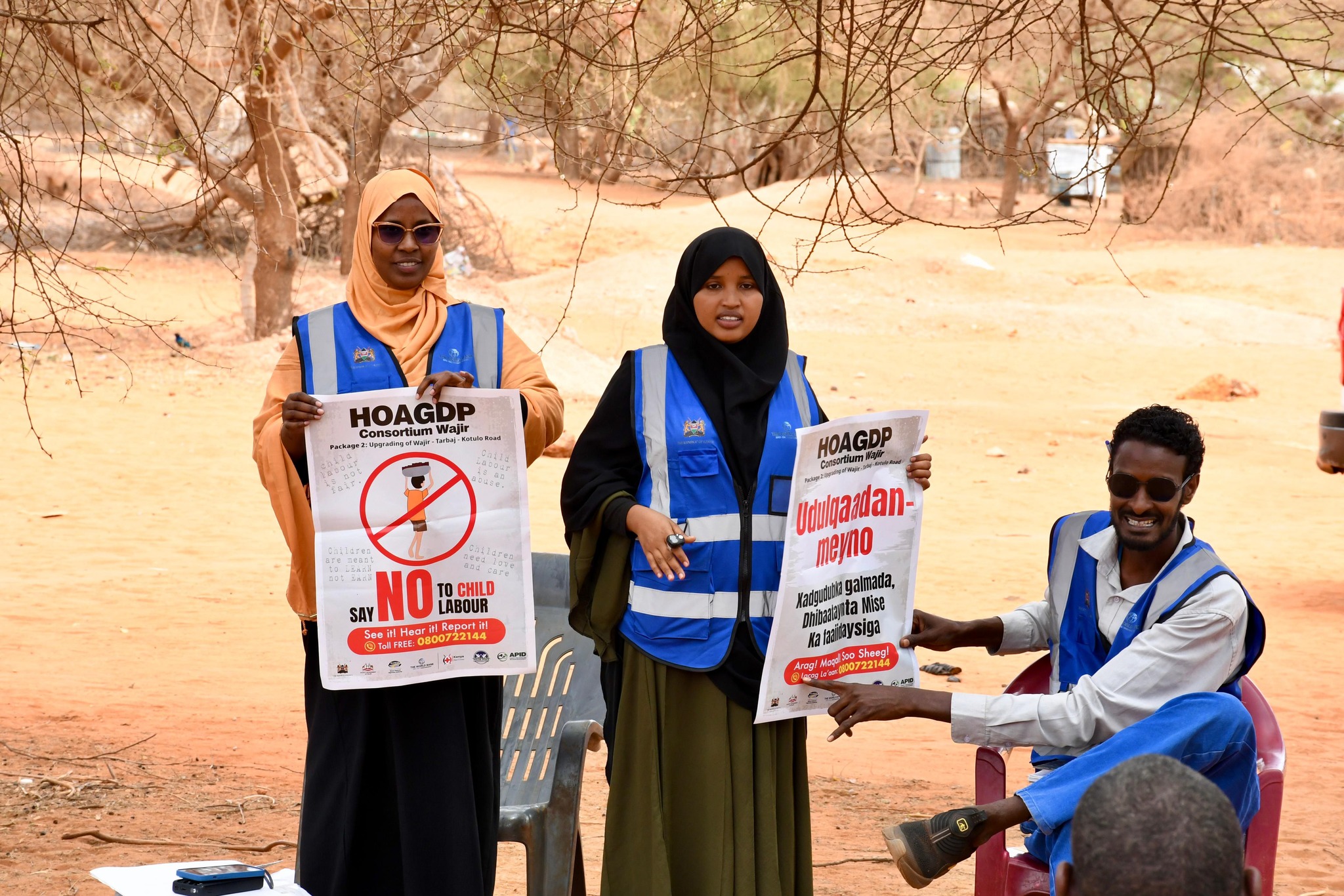
Protection, Human Capital and Community Wellbeing
Our Approach
Protecting dignity while strengthening human capital and community resilience. APID integrates safeguarding, health, education, nutrition and social protection into resilience programming to reduce vulnerability, enhance wellbeing and empower women, youth and children to realize their full potential.
Impact Highlights
- 32,529+ people reached through health awareness programmes
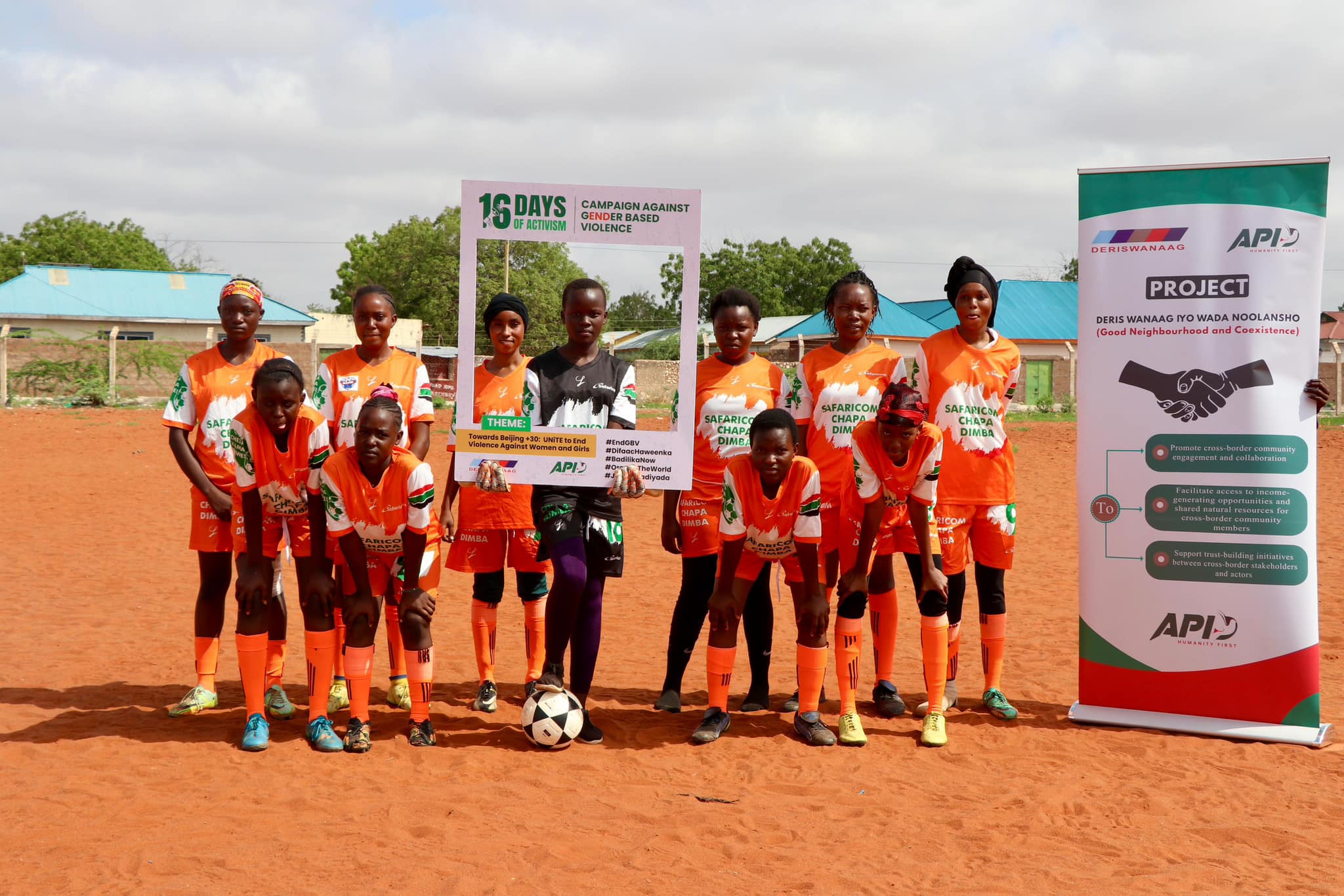
- 80 GBV/SEA/SH and Child Protection interventions delivered
- 250,000+ people reached through public information campaigns
Strategic Objective
To strengthen protection, education, health, nutrition, and social protection pathways that safeguard dignity, reduce vulnerability, and enable women, youth, and children to participate in resilient development.
Why this pillar matters
Resilience is not only about livelihoods and infrastructure. A household cannot build resilience when children are out of school, women face violence or exclusion, nutrition deteriorates, health risks increase, or vulnerable groups cannot safely access services.
Climate shocks and conflict often intensify protection risks, disrupt education, increase malnutrition, and weaken community wellbeing. APID integrates protection and human capital into resilience programming so that communities not only survive shocks but also preserve dignity, learning, health, and future opportunity foundations.
APID promotes safeguarding, education support, community health and nutrition awareness, psychosocial wellbeing, and inclusive access to services to ensure vulnerable populations are protected and empowered to thrive even in times of crisis.
Priority Intervention Areas
- • Protection mainstreaming and referral pathways
- • Child protection, safeguarding, and community awareness
- • Education support for vulnerable children and youth
- • School-community resilience linkages, including school WASH where relevant
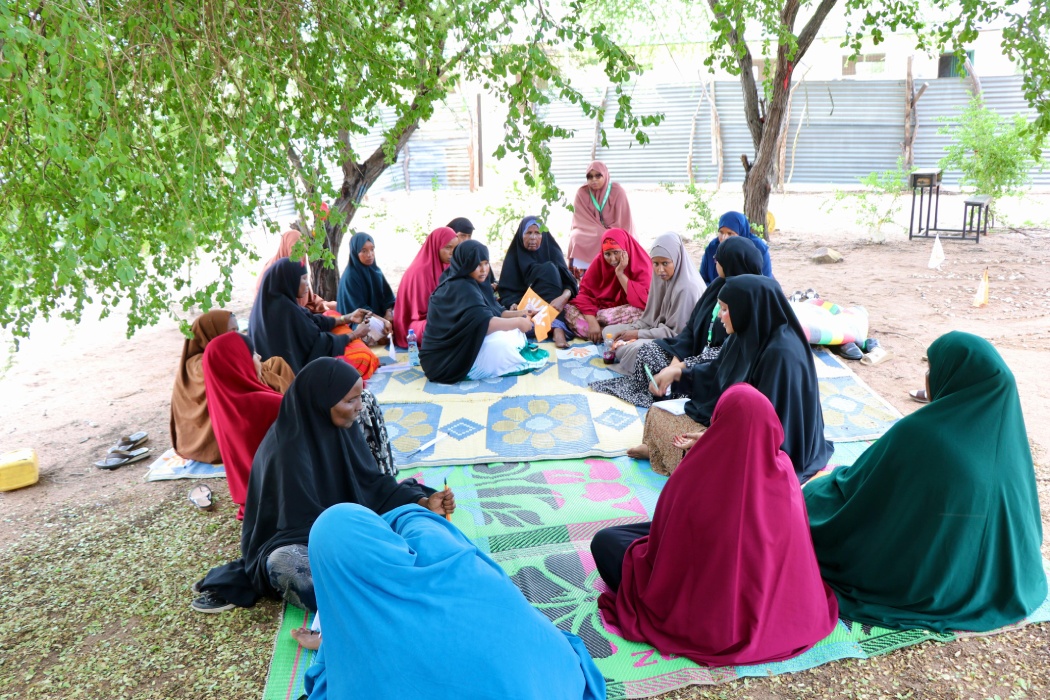
- • Community health and nutrition awareness
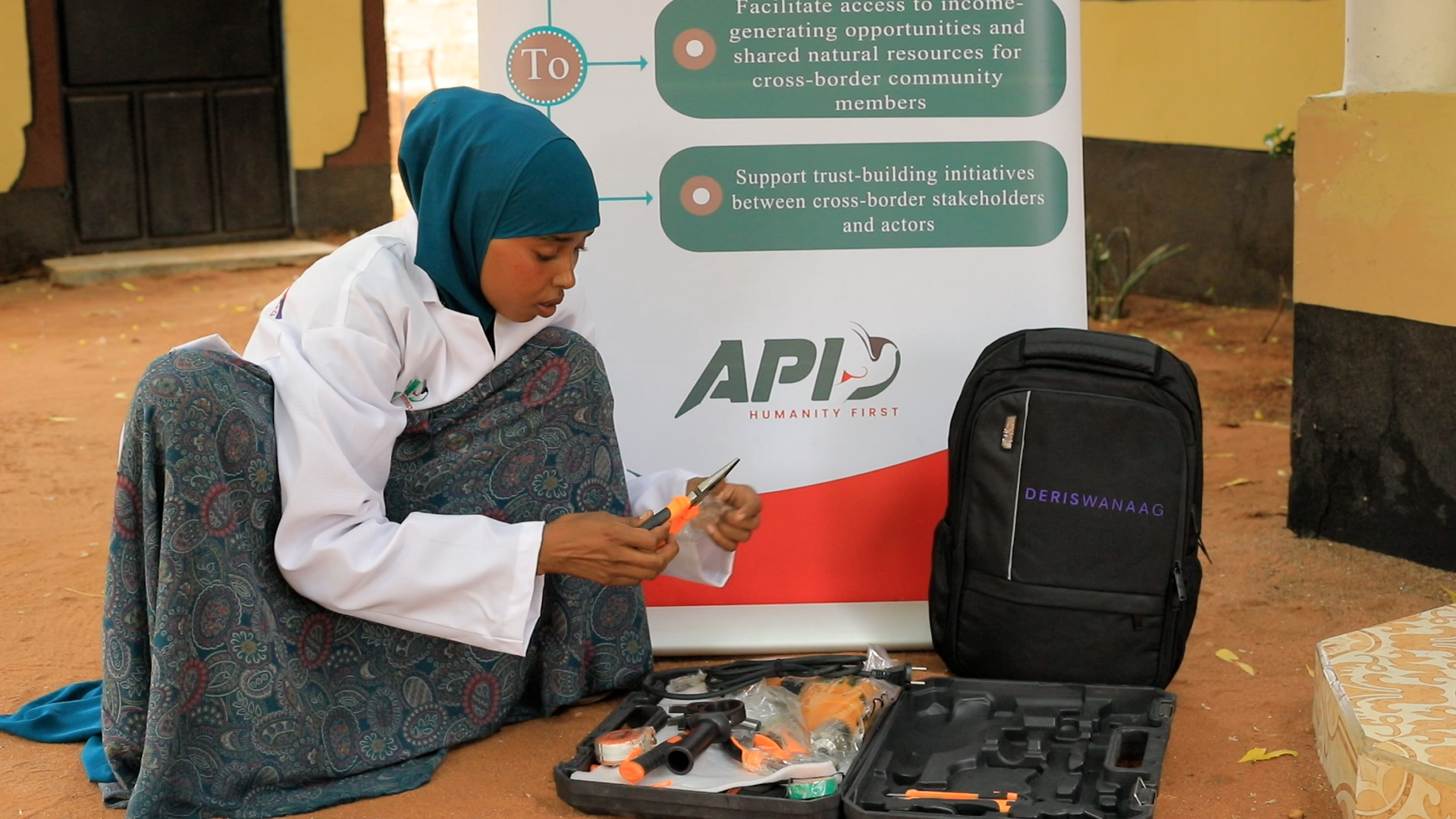
- • Social protection linkages and support to vulnerable households
- • Psychosocial support and community wellbeing approaches
- • Inclusion of persons with disabilities and minority groups in service access
Expected Results by 2030
- Vulnerable women, children, youth, and marginalized groups access safer and more inclusive services.
- Protection risks are identified, referred, and addressed through community and institutional pathways.
- Education and wellbeing are better protected during shocks.
- Community structures mainstream safeguarding, inclusion, and accountability.
- Human capital outcomes are integrated into resilience and peacebuilding programs.
Want to donate?
Your contribution helps us reach vulnerable communities with critical support, resilience programs, and sustainable development initiatives.