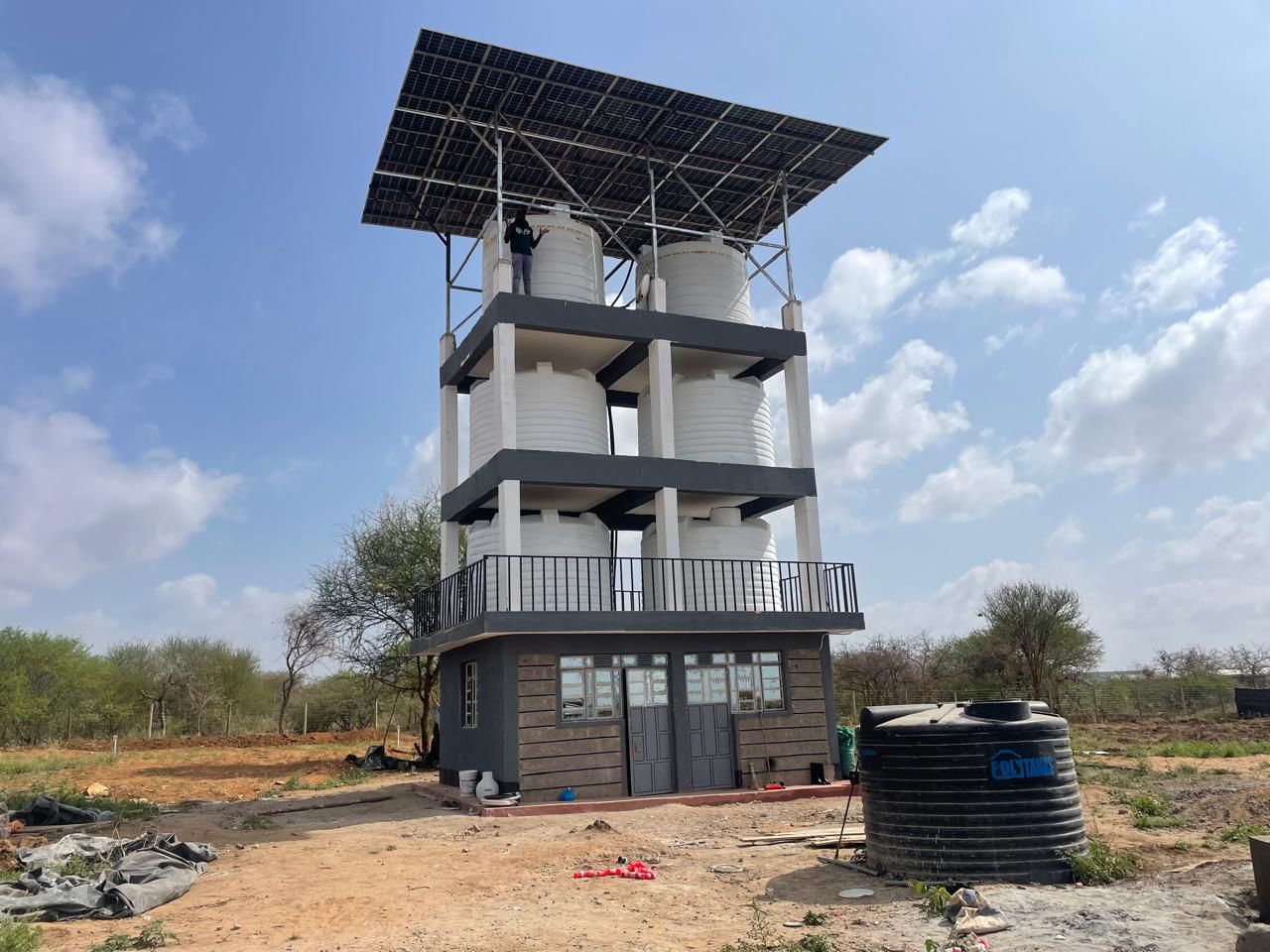
Water Security and Natural Resource Governance
Our Approach
Advancing climate-resilient infrastructure and sustainable natural resource governance. APID strengthens equitable access to water, resilient infrastructure and community-led resource governance to reduce climate risks, improve livelihoods and promote peaceful management of shared resources.
Impact Highlights
- 50+ community infrastructure investments supported
- 30 socio-economic infrastructure projects identified and prioritized
- 27 community priority projects implemented or facilitated
- Water governance and drought resilience strengthened across ASAL and cross-border communities
Strategic Objective
To improve equitable and sustainable access to safe water and strengthen community and government systems for climate-resilient water and natural resource governance.
Why this pillar matters
Water security is central to livelihoods, health, dignity, education, livestock production, social cohesion, and conflict prevention. In ASAL and cross-border contexts, water points are not just infrastructure but critical social, economic, and political assets.
Poorly managed water systems can deepen inequality, intensify conflict, and undermine resilience. Conversely, well-governed water systems can protect livelihoods, reduce distress migration, support livestock and food systems, and strengthen community cooperation.
APID therefore treats water security as both a service delivery priority and a critical pillar for peacebuilding and climate resilience.
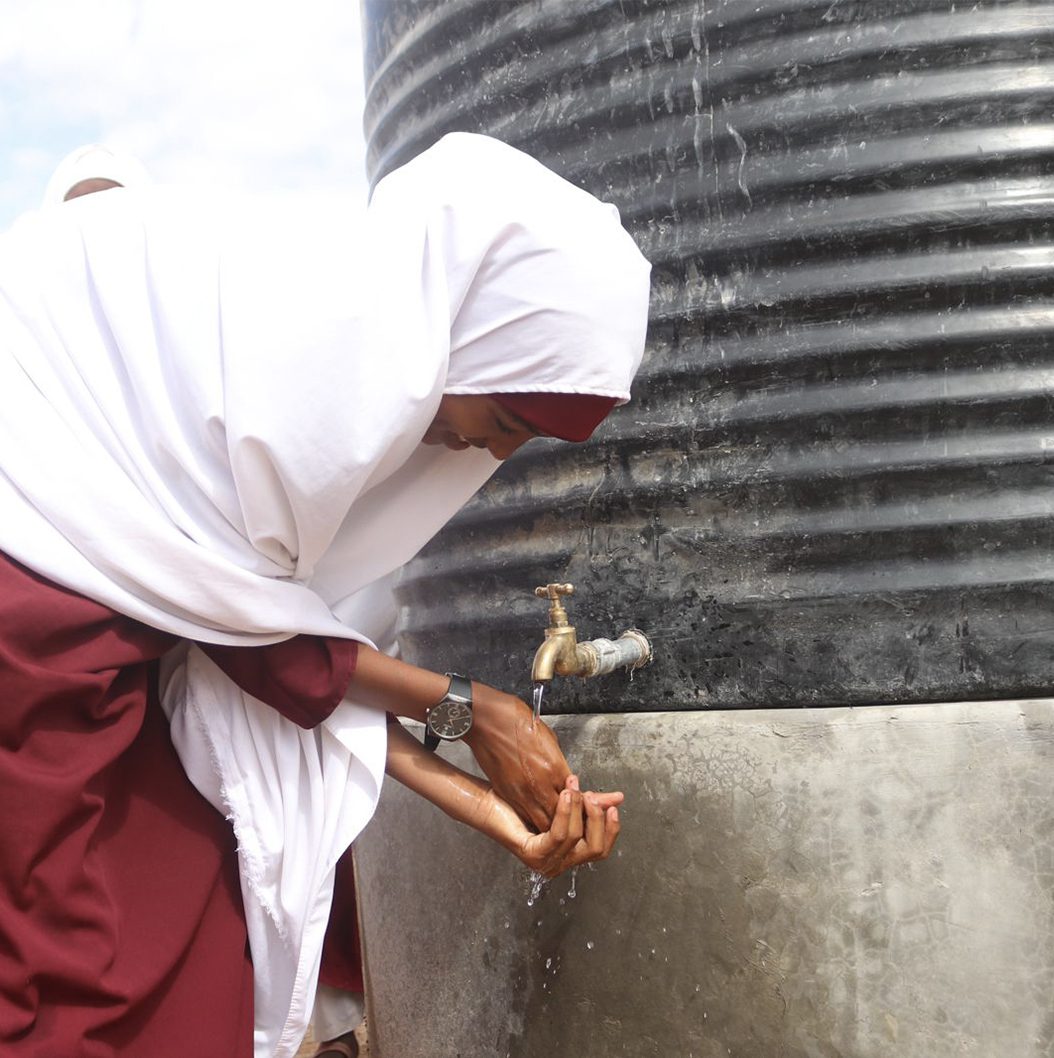
APID promotes sustainable water access through infrastructure rehabilitation, solarization of water systems, inclusive governance structures, and integrated planning that links water with livelihoods, health, education, and conflict prevention.
Priority Intervention Areas
- • Rehabilitation and upgrading of strategic water infrastructure
- • Solarization and climate-smart water technologies
- • Water user associations and community water governance structures
- • Operations and maintenance systems, tariffs, and accountability mechanisms
- • County water planning and water resource mapping
- • Integration of water with livelihoods, livestock, health, nutrition, and education needs
- • Conflict-sensitive water point management
- • Early warning, drought preparedness, and water contingency planning
Expected Results by 2030
- Target communities access safe and reliable water for domestic and productive use.
- Water governance structures are inclusive, functional, and accountable.
- County and community actors use data for water planning and drought preparedness.
- Water-related conflicts reduce in target areas.
- Strategic water systems are managed through sustainable operations and maintenance arrangements.
Want to donate?
Your contribution helps us reach vulnerable communities with critical support, resilience programs, and sustainable development initiatives.